Kurobuta is a high quality breed of pork that is more flavorful and juicy than the conventional pork sold in most grocery stores. This difference is especially noteworthy in Kurobuta pork ribs. Despite their superior eating quality, Kurobuta pork ribs are easy to prepare using the basic methods used for any pork ribs.
This guide covers the cuts, what makes Kurobuta different, how to season and smoke them, and the ideal internal temperature for perfect results every time.
|
Table of Contents |
What Is Kurobuta Pork?
This premium pork is sourced from a specific heritage breed of hog. Known as Berkshire in England and Kurobuta in Japan, this heritage breed is prized in both countries for its flavorful pork. Kurobuta translates to “black hog” in Japanese and refers to their black color with distinct white markings.
Specific characteristics that distinguish Kurobuta from other pork include:
- Marbling: The meat is packed with a large amount of fine streaks of intramuscular fat or marbling. This gives Kurobuta pork a rich flavor with a tender, juicy texture.
-
Higher pH: pH (potential of hydrogen) is a scale from 0 to 14 used to measure the acidity or alkalinity of a substance. A pH less than 7 is acidic and a pH greater than 7 is basic (or alkaline).
- Kurobuta pork has a pH range of 5.7 to 6.1 and conventional pork has a pH between 5.4 and 5.6.
- Higher pH in pork indicates a higher level of moisture which adds juiciness and also results in a deep pink color.
Together, these two characteristics create the flavor and texture differences that make Kurobuta a superior culinary experience.
Learn more about what makes Kurobuta pork exceptional in our Complete Guide to Kurobuta Pork →

Kurobuta Pork Rib Cuts
Not all ribs are the same. Kurobuta pork is available in several cuts, each with its own texture, fat content, and ideal cooking application.
-
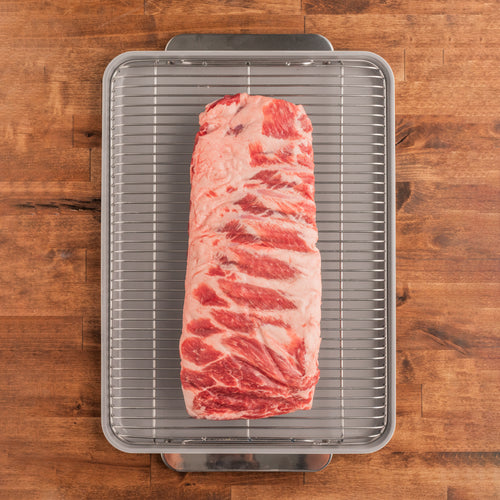
Spare Ribs — Cut from the belly side of the rib cage, spare ribs are larger, meatier, and higher in fat than baby backs. That fat renders beautifully over a long smoke, making them the classic choice for the 3-2-1 method.
Tender and moist. Slow smoked over apple wood with a homemade maple / sea salt glaze. Once you try it you will not go back.
- William L., Verified Buyer
-
Baby Back Ribs — Shorter and leaner, baby backs come from where the rib meets the spine. They cook faster and have a slightly milder flavor profile.
Truly the best baby back ribs you will ever purchase! And this is the only place you can find quality like these!
- Gladys C., Verified Buyer
-
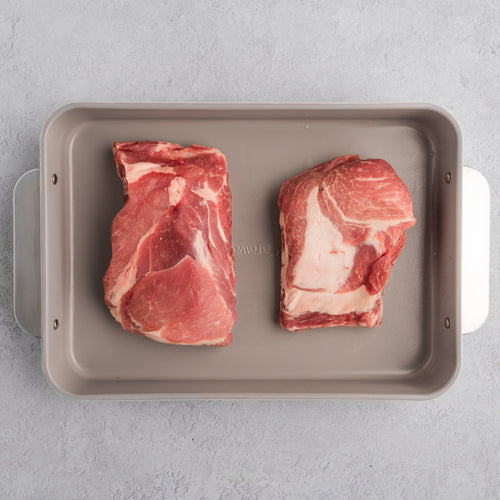
Pork Short Ribs — Cut from the plate, short ribs are thick, rich, and well-suited to braising as well as smoking.
These short ribs were nothing short of perfection!! Rubbed, smoked, seared on the grill with a glaze. Used leftovers for amazing quesadillas. Have ordered twice and will order again.
- Kathleen F., Verified Buyer
- Smoked Spare Ribs — Already smoked and ready to finish at home.
Moving into a condo in the city meant the end to my outdoor smoker. When they arrived I place them in the fridge overnight to thaw. I knew I did not want to risk drying them out, so the next day I removed them from the packaging and vacuum sealed them in a fresh bad. I set the the Sous Vide to 165 degrees and let them bathe for 50 minutes. I removed them form the bath, sauced them up, and ran them under a broiler for five minutes. The result? Perfection! Just as good as if I had smoked these myself. Do NOT pass up these ribs. Worth every penny!
- Donald J., Verified Buyer
Explore Our Kurobuta Pork Rib Cuts
From fall-off-the-bone spare ribs to rich, meaty short ribs, every Kurobuta rib cut delivers the exceptional marbling and deep flavor this heritage breed is known for. Find the right cut for your next cook below.

Kurobuta Spare Ribs
Large, meaty ribs from the belly side of the rib cage. Higher fat content means exceptional flavor and the perfect canvas for the 3-2-1 smoking method.
Shop Spare Ribs →
Kurobuta Baby Back Ribs
Shorter, leaner ribs from where the rib meets the spine. Tender and slightly milder in flavor, with a faster cook time than spare ribs.
Shop Baby Back Ribs →
Kurobuta Pork Short Ribs
Thick, richly marbled short ribs cut from the plate. Bold flavor and a dense texture that shines whether smoked low and slow or braised.
Shop Pork Short Ribs →
Smoked Pork Spare Ribs
Already smoked and ready to finish at home. All the flavor of a full low-and-slow cook with a fraction of the time — ideal for weeknights or last-minute entertaining.
Shop Smoked Spare Ribs →Spare ribs or baby backs — still deciding? We put them head to head so you don't have to.
Are Pork Ribs Healthy?
Quick answer: A 3 oz. serving of pork ribs contains about 25 grams of protein and essential nutrients including zinc and selenium. They are higher in calories and saturated fat, so they fit best as part of a balanced diet enjoyed in moderation.
Kurobuta ribs are richer than commodity pork ribs due to their higher intramuscular fat content — the same marbling that gives them their exceptional flavor and juiciness. That fat is part of what makes them worth seeking out, and like any richly marbled cut, they're best enjoyed as the centerpiece of a great meal.

How to Cook Kurobuta Pork Ribs
The basic technique for making delicious Kurobuta pork ribs is simple. The ribs are seasoned and cooked in a smoker or grill at a low temperature of about 225°F. to 250°F., wrapped in foil to break down the collagen and fat, then finished with sauce that melts and caramelizes.
This is often referred to as the 3-2-1 method and works for pellet smokers and grills. There are variations on this technique where wrapping step is left out, but the 3-2-1 method is a surefire way to make tender, mouth-watering ribs.
What Is the Ideal Pork Rib Internal Temperature?
Target temp: 198°F to 203°F for tender, pull-apart Kurobuta pork ribs.
Target an internal temperature range of 198°F to 203°F for Kurobuta pork ribs. Pork is safe to eat at 145°F, but a higher temperature ensures the intramuscular fat renders and the collagen breaks down so it is tender.
When using the 3-2-1 method (instructions below), you are relying on time and not temperature. This is one of the few times we recommend measuring time instead of temp.

Pork Rubs and Sauces
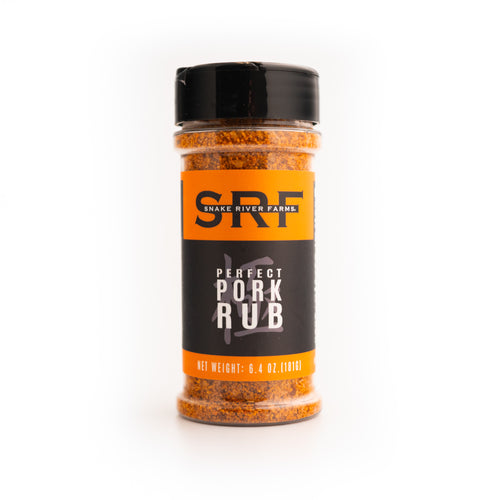
A dry rub is a key ingredient for cooking spare ribs. Pork rubs generally contain sugar, salt, and other herbs and spices. There are many good quality pork rubs available at retail stores and online. Snake River Farms sells an excellent Perfect Pork Rub — apply it generously so the meat is coated but still visible through the rub. You can also make your own using a good recipe.
Pork rib sauces are an optional ingredient. If you prefer Memphis style dry spare ribs, you can skip the sauce entirely. We've found most folks enjoy sauce on their spare ribs so we've included that step. One of our favorite pre-made sauces is Tuffy Stone's Original BBQ Sauce — Tuffy is a four-time World BBQ Champion and his sauce is available on our website. As with rubs, it's also easy to make your own sauce to customize the flavor to your preference.
Ready to cook like a champion? Discover Tuffy Stone's spare rib recipe.
The 3-2-1 Pork Rib Method
The 3-2-1 method gets its name from the three phases of the cook: 3 hours on the smoker unwrapped, 2 hours wrapped in foil, and 1 final hour back on the grate to set the sauce and build the bark. It works reliably on pellet smokers, charcoal, and gas grills.
Ingredients
- 2 to 4 racks of SRF Kurobuta Spare Ribs or Baby Back Ribs
- Vegetable oil or yellow mustard
-
SRF Perfect Pork Rub
-
Tuffy Stone Original BBQ Sauce
- Butter
- Honey
- Brown sugar
- Apple juice in a spray bottle
Instructions
- Remove the membrane on the rib side of each rack, if desired.
- Brush each rack of ribs with oil or mustard. Apply a good sprinkling of rub. Be generous, but you want to be able to see the meat through the rub. Let stand one hour.
- Set your smoker or grill to a temperature of 225°F to 250°F. Add apple wood chunks or chips to add a hint of smoky flavor.
- Place ribs meat side up on the grates of the grill or smoker. Spray ribs with apple juice every 30 minutes for 3 hours.
- Remove ribs from the grill, season with a sprinkling of brown sugar, several pats of butter and a drizzling of honey. Wrap each rack in 2 large sheets of aluminum foil.
- Overlap the two sheets to get a secure seal.
- Place wrapped ribs back on the grill and cook for 2 more hours.
- Pull ribs from the grill or smoker and remove from the foil packets. Place ribs on the grill for 30 minutes, then baste with sauce. Allow to cook for another 30 to 60 minutes or until the tip of a small knife slips easily out of the meat.
- Serve with extra sauce on the side.
Kurobuta Pork Rib Recipes
From weeknight-friendly oven bakes to competition-worthy smoked racks, these recipes put Kurobuta pork ribs to work. Each one is built around the rich marbling and deep flavor this heritage breed delivers.
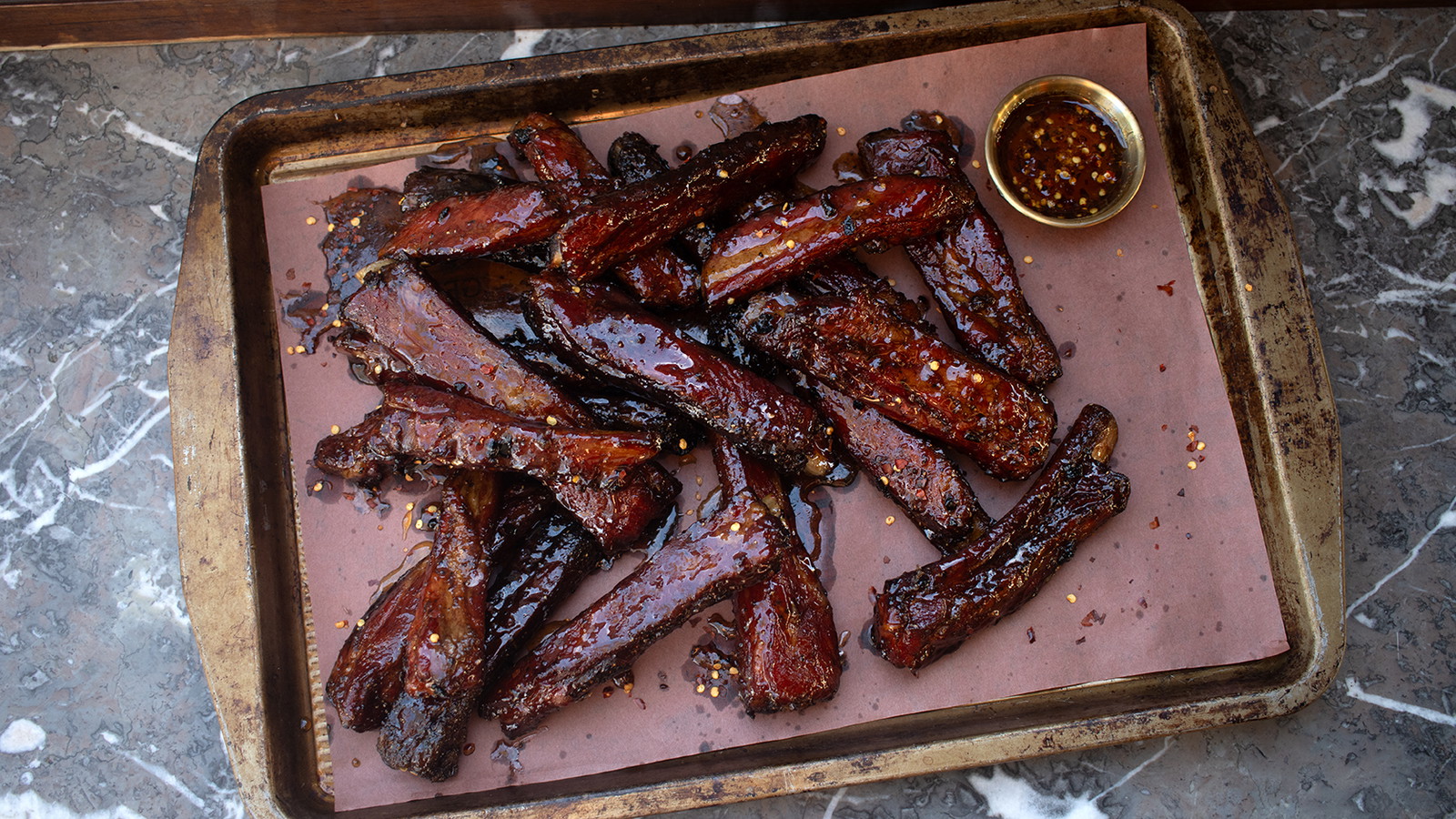
Hot Honey Party Ribs
Sweet heat meets fall-off-the-bone Kurobuta spare ribs. A crowd-pleasing recipe built for entertaining.
Get the Recipe →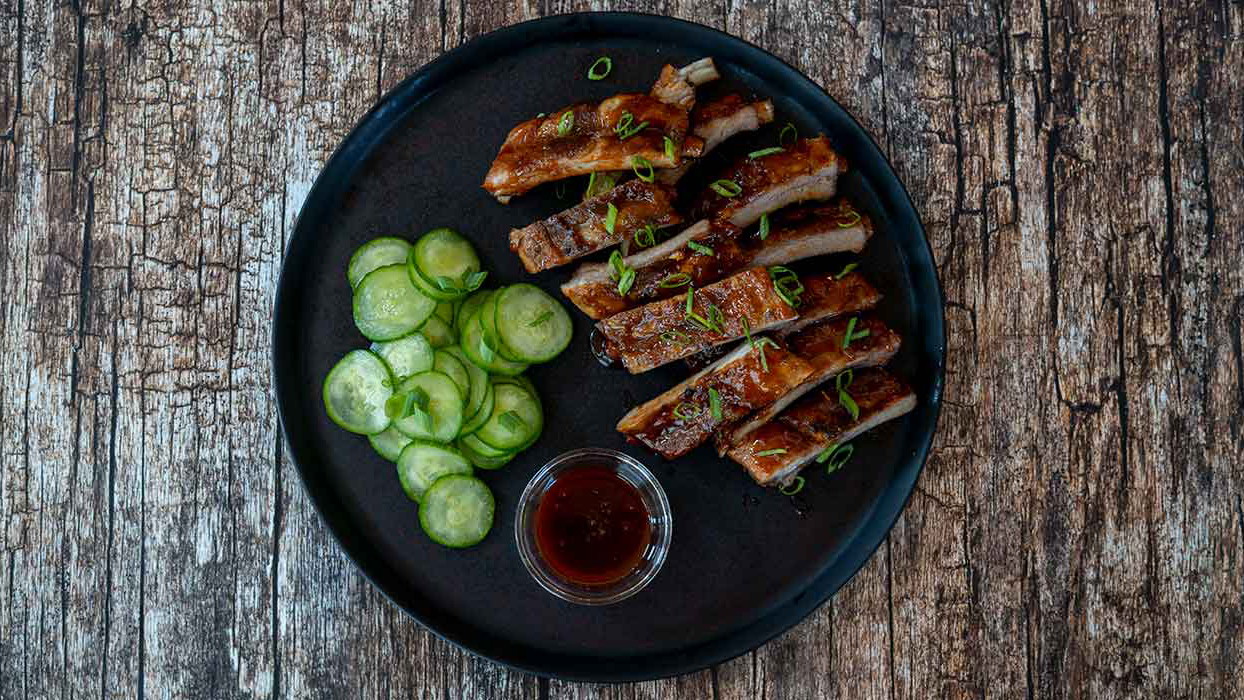
Gochujang Glazed Sticky Ribs
Bold Korean-inspired flavors coat tender Kurobuta ribs in a sticky, spicy-sweet glaze that caramelizes beautifully on the grill.
Get the Recipe →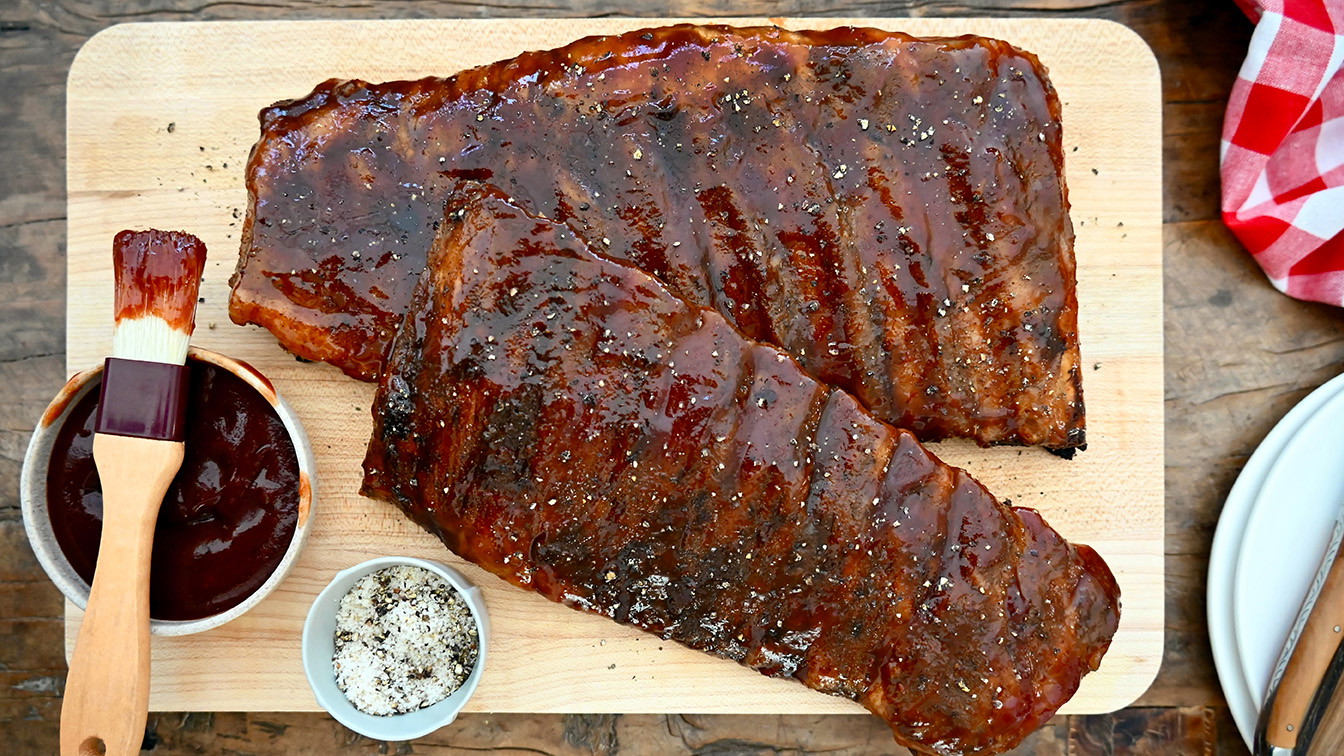
Easy Oven-Baked Ribs
No smoker required. This straightforward oven method delivers tender, flavorful Kurobuta ribs any night of the week.
Get the Recipe →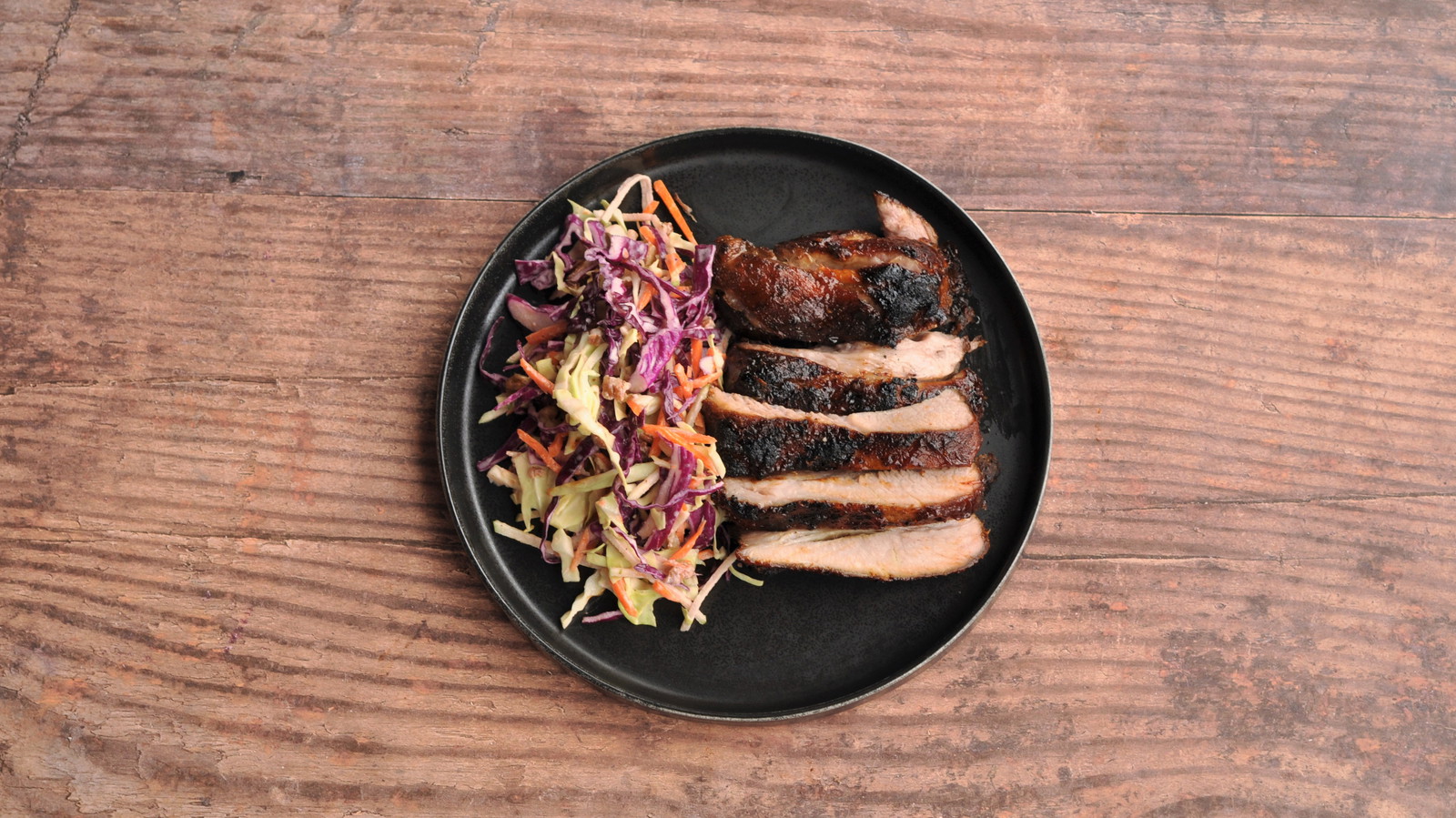
Slow Cooker BBQ Pork Short Ribs with Green Apple and Toasted Pecan Slaw
Rich Kurobuta short ribs slow-cooked in BBQ sauce, served alongside a bright, crunchy slaw that balances every bite.
Get the Recipe →
Frequently Asked Questions
Are pork ribs healthy?
A 3 oz. serving of pork ribs contains about 25 grams of protein and essential nutrients including zinc and selenium. They are higher in calories and saturated fat, so they fit best as part of a balanced diet enjoyed in moderation. Kurobuta ribs are richer than commodity pork due to their higher intramuscular fat content — the same marbling that makes them exceptional.
What internal temperature should pork ribs reach?
Target an internal temperature of 198°F to 203°F for tender, pull-apart pork ribs. Pork is safe to eat at 145°F, but ribs need the higher temperature to fully render the intramuscular fat and break down collagen. When using the 3-2-1 method, time is the more reliable guide than temperature.
What is the difference between spare ribs and baby back ribs?
Spare ribs are cut from the belly side of the rib cage and are larger, meatier, and higher in fat. Baby back ribs come from where the rib meets the spine — they are shorter, leaner, and cook faster. Both work well with the 3-2-1 method. For a deeper look, see our guide: Baby Back Ribs vs Spare Ribs: Understanding the Difference.
What is the 3-2-1 rib method?
The 3-2-1 method is a three-phase smoking technique: 3 hours unwrapped on the smoker at 225°F to 250°F, 2 hours wrapped tightly in foil with butter, honey, and brown sugar, and 1 final hour unwrapped with sauce applied to set the bark. It works on pellet smokers, charcoal, and gas grills and is a reliable method for consistently tender ribs.
What is Kurobuta pork?
Kurobuta (also known as Berkshire in the US) is sourced from a specific heritage breed of hog known as Berkshire in England and Kurobuta — meaning "black hog" — in Japan. It is distinguished by exceptional marbling and a higher pH than conventional pork, which produces a juicier, deeper-pink cut with richer flavor and more tender texture.
Can I cook Kurobuta pork ribs in the oven?
Yes. While smoking delivers the deepest flavor, Kurobuta pork ribs cook beautifully in the oven as well. See our Easy Oven-Baked Ribs recipe for a straightforward method that delivers tender, flavorful results without a smoker.

Author Bio
Dave Yasuda has worked with Snake River Farms for over 12 years, cooking virtually every product we sell. He has prepared SRF products for photoshoots, food festivals, company events, and customers. A skilled home cook, Dave has collaborated in the kitchen with award-winning chefs, recipe developers, and content creators to enhance his culinary skills. He has also been a featured guest on numerous food-centric podcasts, including Bon Appetit’s “Dinner SOS” hosted by Chris Morocco.