Wild Caught Seafood: A Guide to Premium Sourcing, Flavor & Responsible Harvesting

Wild Caught Seafood: A Guide to Premium Sourcing, Flavor & Responsible Harvesting
Wild-caught seafood delivers something farmed fish simply can’t replicate: flavor shaped by current, climate, and natural diet. Texture is firmer. Taste is cleaner. Character varies by region.
For over 55 years, Snake River Farms has built its reputation on sourcing and producing extraordinary protein. That same discipline now guides our seafood selection.
When you buy wild caught seafood from Snake River Farms, you’re choosing carefully sourced selections harvested from America’s most pristine waters. In this guide, you’ll learn how wild-caught differs from farmed, why U.S. waters matter, how we source responsibly, and how to select and prepare each species with confidence.
Discover premium wild-caught seafood, expertly sourced and ready to ship. Shop Now →
1. What Is Wild-Caught Seafood?
Wild-caught seafood is harvested from natural oceans, rivers, and coastal waters rather than raised in aquaculture systems. These fish and shellfish develop in their native habitats, feeding on natural diets and adapting to seasonal movement.
Because wild fish are constantly swimming, they develop stronger muscle structure. This creates a firmer texture and more defined flake compared to many farmed varieties.
Wild-Caught vs. Farmed: Quick Comparison
| Wild-Caught | Farmed |
| Natural habitat & diet | Controlled feed |
| Firmer texture | More uniform fat levels |
| Regional flavor variation | Consistency depends on farm practices |
| Regulated harvest seasons | Year-round production |
Wild-caught seafood often offers a more nuanced flavor profile. Nutritionally, wild fish frequently contain leaner fat levels and varied micronutrients influenced by natural forage.
Environmental impact depends on sourcing. In the United States, wild fisheries are tightly regulated to prevent overfishing and protect ecosystems.
When customers buy wild caught seafood from Snake River Farms, they are choosing products harvested under strict U.S. oversight.
Learn how wild-caught seafood delivers superior flavor and texture. Shop Wild-Caught Seafood →
Amazing quality, best salmon I’ve ever had! I regularly get this item in my subscription, and I always look forward to pairing it with a steak as a weekly treat.
- Jeanie H., Verified Buyer

2. Why U.S. Waters Produce Superior Seafood
Geography shapes flavor. Cold water, strong currents, and mineral-rich environments create measurable differences in texture and taste.
The waters surrounding the United States are among the most closely monitored and sustainably managed in the world.
Alaska
Cold, pristine waters produce dense, flavorful species like:
- Alaskan Sockeye Salmon
- Northwest Pacific Halibut
- Alaskan Golden King Crab Legs
Cold temperatures slow growth, allowing flavor to concentrate and texture to firm naturally.
Experience bold flavor from Alaska: Shop Alaskan Sockeye Salmon →
Pacific Northwest
Strong ocean currents create nutrient-rich waters ideal for:
- Northwest Pacific Cod
- Northwest Pacific Halibut
These species are prized for clean flavor and versatility.
Taste the freshness of the Pacific Northwest: Shop Northwest Pacific Halibut →
Gulf of Mexico
Warm, mineral-rich waters produce:
- Wild Caught Gulf Shrimp
The Gulf’s nutrient-rich estuaries and coastal waters create shrimp with a naturally sweet flavor and firm, clean texture. Their lean profile allows them to cook quickly while maintaining a tender bite.
Bring home the sweet, clean taste of the Gulf: Shop Wild Caught Gulf Shrimp →
Maine
The cold Atlantic waters off Maine are home to:
- Maine Lobster Tails
- Jumbo Maine Lobster Tail
Cold water lobster develops firm texture and signature sweetness.
When you buy wild caught seafood harvested from these waters, you benefit from strict fishery management and exceptional environmental conditions.
Shop premium wild-caught salmon, halibut, lobster, shrimp, crab and more — delivered directly to your door.
Sweet Maine lobster, sourced sustainably: Shop Maine Lobster Tails →

3. Sustainability & Responsible Sourcing
Sustainability is not a trend — it’s a long-term commitment.
U.S. fisheries operate under:
- Regulated catch quotas
- Seasonal harvesting
- Population monitoring
- Strict environmental compliance
We partner with trusted fisheries that prioritize responsible practices and traceability. Each species is evaluated for harvest region, handling standards, and cold-chain integrity.
From ocean to fulfillment center, quality control is non-negotiable.
The result: seafood curated with the same discipline that built our reputation in premium beef.
See how Snake River Farms sources responsibly and maintains strict U.S. oversight: Explore Our Seafood Collection →
4. Guide to Premium Seafood Species
Wild Salmon

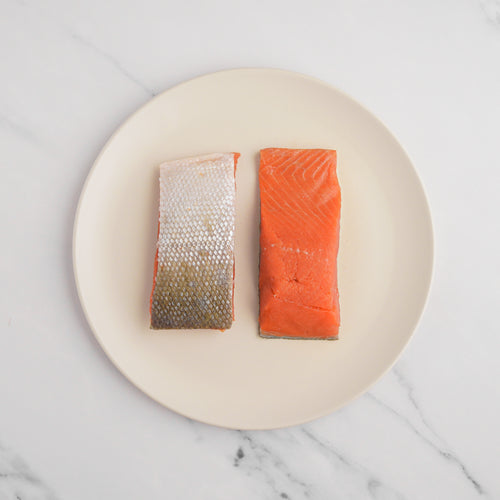
Alaskan Sockeye Salmon
-
Flavor: Bold, rich, slightly sweet
-
Texture: Firm and meaty
- Best methods: Grilling, broiling, roasting
Sockeye’s deep red color signals its robust character. It holds up well to high-heat cooking and assertive seasoning.
Sockeye Salmon Filet
-
Flavor: Classic wild salmon
-
Texture: Tender with defined flake
- Best methods: Baking, sheet pan meals, pan-searing
Err on the side of underdone to preserve moisture.
King Salmon
-
Flavor: Buttery, luxurious
-
Texture: Soft and rich
- Best methods: High-heat searing, gentle roasting
Higher natural fat content creates an indulgent mouthfeel ideal for special occasions.
Ready to taste the difference: Shop wild-caught Alaskan Sockeye Salmon →
Cook with confidence: How to Cook Salmon Guide →
Try this recipe: Sheet Pan Garlic and Herb Crusted Salmon →
Excellent salmon and were salmon lovers!
- Louis A., Verified Buyer
Pacific Halibut

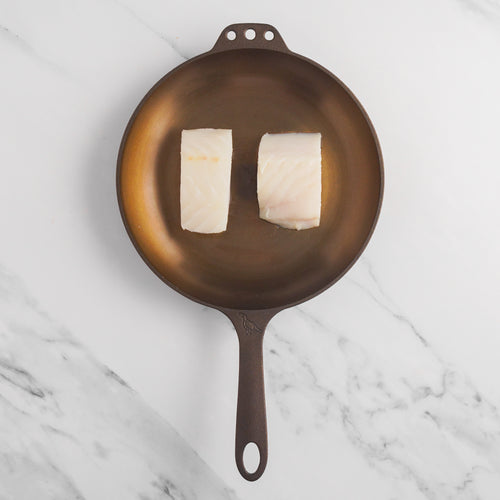
Northwest Pacific Halibut
- Flavor: Mild and slightly sweet
- Texture: Firm and flaky
- Best Methods: Roasting, grilling, pan-searing
A lean fish that benefits from careful cooking. Pat dry after thawing and avoid overcooking to preserve its delicate texture.
Experience it for yourself: Shop Northwest Pacific Halibut →
Master cooking techniques: How to Cook Halibut Guide →
Recipe inspiration: Bang Bang Halibut with Crispy Rice →
It was delicious! Moist and after we lightly seasoned it felt like we had just licked it up from a boar, we have already ordered some for our next fish dinner.
- Joel P., Verified Buyer
Pacific Cod

Northwest Pacific Cod
- Flavor: Clean and mild
- Texture: Light and flaky
- Best Methods: Baking, frying, roasting
Extremely versatile, cod shines in both crisp fish and chips and lighter citrus-forward preparations. Cook to no more than 140°F internal temperature to prevent toughness.
Bring it to your table: Shop Northwest Pacific Cod →
Gulf Shrimp

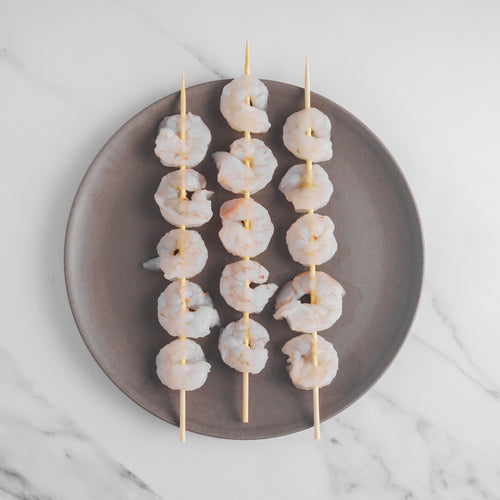
Wild Caught Gulf Shrimp
- Flavor: Naturally sweet
- Texture: Firm with a clean bite
- Best Methods: Sautéing, grilling, boiling
Harvested from warm, mineral-rich Gulf waters, these shrimp cook quickly due to their lean profile. Remove from heat once they turn pink and curl into a C shape.
Elevate your seafood selection: Shop Wild Caught Gulf Shrimp →
Cooking tips: How to Cook SRF Seafood →
Inspired Ways to Serve:
Aguachile de Camaron (Shrimp)→
Crispy Buffalo Shrimp →
Grilled Shrimp Scampi with Pasta →
Delicious and so tender. Made this shrimp for a party and everyone raved about the shrimp. I will definitely buy again.
-Rachel W., Verified Buyer
Atlantic Sea Scallops

Wild Caught Sea Scallops
- Flavor: Sweet and delicate
- Texture: Tender with a buttery finish
- Best Methods: High-heat searing
Pat completely dry before cooking. Sear undisturbed for 3–4 minutes per side to develop a golden crust.
Explore premium wild-caught: Shop Atlantic Sea Scallops →
Learn how to sear perfectly: How to Cook Sea Scallops Guide →
Make it Memorable: Hot Honey Salt Block Scallops →
They were fabulous, se easy to cook up and the taste was amazing. Would definitely buy the sea scallops again.
- Dawn S., Verified Buyer
Maine Lobster

Maine Lobster Tails
-
Flavor: Sweet, delicate, clean
-
Texture: Firm yet tender
-
Best methods: Boiling, grilling, broiling
Harvested from the cold Atlantic waters off Maine, these wild-caught lobster tails are flash-frozen at peak freshness. Their natural sweetness and firm texture make them ideal for classic preparations or elevated seafood dinners at home.
Our favorite go to farm business now. Steaks and seafood are premier and packaged/mailed fast and professional.
- Matthew G., Verified Buyer
Jumbo Maine Lobster Tail
-
Flavor: Rich, sweet, slightly briny
-
Texture: Thick, meaty, substantial
-
Best methods: Grilling, roasting, butter-poaching
Larger in size and presentation, jumbo tails create a dramatic center-of-plate experience. Their generous portion and succulent texture make them a natural pairing for premium steaks or special occasion menus.
Bring sweet Atlantic lobster to your table: Shop Maine Lobster Tails →
Master the preparation: How to Prepare Lobster Tails →
Serve it like this: Grilled Lobster Tail Pasta →
Fantastic! The lobster tails were large and perfect for our hearty appetite! Everything was packed well and delivered frozen. Highly recommend!
- Lisa F., Verified Buyer
Alaskan King Crab

Alaskan Golden King Crab Legs
- Flavor: Sweet and delicate
- Texture: Tender with large, meaty segments
- Best Methods: Steaming, roasting, grilling
Harvested from icy northern waters, Golden King Crab offers a refined sweetness and impressive presentation for celebratory meals.
Serve something unforgettable: Shop Alaskan Golden King Crab Legs →
Simple Steps for Success: How to Perfectly Cook Crab Legs →
SRF not just a beef company. . . King Crab Legs were excellent!!
- Jeff V., Verified Buyer
Quick Species Comparison
| Species | Flavor Intensity |
Texture |
Best Use |
| Sockeye Salmon | Bold | Firm | Grill |
| King Salmon | Rich | Tender | Sear/Roast |
| Halibut | Mild | Meaty | Roast |
| Cod | Light | Flaky | Fry/Bake |
| Shrimp | Sweet | Firm | Sauté/Grill |
| Scallops | Buttery | Tender | Sear |
| Lobster | Sweet | Succulent | Boil/Grill |
| King Crab | Delicate | Luxurious | Steam |

5. Best Practices for Storing & Thawing Frozen Seafood
Proper storage preserves both safety and flavor.
Storage
- Keep frozen at 0°F
- Leave in original vacuum packaging
- Avoid repeated thawing
Best Thaw Method
- Refrigerate for 24 hours.
Quick Thaw
- Submerge vacuum-sealed package in cold water. Change water periodically.
- Never thaw at room temperature or in the microwave.
Species Notes
- Scallops require extra draining
- Halibut retains moisture — pat gently
- Shrimp thaw quickly
Before cooking, pat dry and let rest 10 to 15 minutes at room temperature.
Cook with Confidence: How to Cook SRF Seafood →

6. Mastering Seafood & Premium Beef Pairings
Snake River Farms is uniquely positioned to deliver both American Wagyu and premium seafood.
Balance rich and lean proteins for ideal contrast.
Featured pairings:
- Shrimp & Filet Mignon Box
- Steak & Seafood Collection
- Classic Surf & Turf
Lobster with ribeye. Scallops with Kurobuta pork. King crab with filet mignon.
When you buy wild caught seafood alongside premium beef, you create restaurant-level balance at home.
Elevate your meal with expert pairings: Shop Surf & Turf Collections →
Bring land and sea together: Surf & Turf: Smoked Ribeye Filets with Butter-Poached Lobster →

7. FAQs
How do I know seafood is truly wild-caught?
What’s the difference between sockeye and king salmon?
Can I refreeze thawed seafood?
How long does frozen seafood last?
How do I know when seafood is done?
Is wild-caught seafood more expensive?
What’s the most versatile seafood for beginners?
Experience the Difference of Wild-Caught Seafood
Wild-caught seafood reflects the waters it came from — cold, clean, and carefully managed. From bold sockeye salmon to sweet Maine lobster, each species offers distinctive character and culinary versatility.
When you buy wild caught seafood from Snake River Farms, you choose flavor, sustainability, and trusted sourcing backed by more than five decades of protein expertise.
For over 55 years, we’ve defined premium protein. Discover seafood curated to the same exacting standard: Shop Wild-Caught Seafood →