Brisket Internal Temperature Guide: Pull on Feel, Not Temperature

Most briskets are done between 198°F and 205°F, but temperature is a guideline, not a finish line. A brisket that probes tight at 200°F isn't done. A brisket that probes like warm butter at 195°F is. Pull it. Doneness is determined by feel: insert your probe into the thickest part of the flat and it should slide in with no resistance. American Wagyu brisket has more intramuscular fat than USDA Prime, which bastes the meat from the inside throughout the entire cook and makes it significantly more forgiving on temperature than conventional beef.
Brisket Temperature at Every Stage
Temperature tells you where you are in the cook. Here's what to expect from the first hour to the final rest.
| Phase | Smoker Temp | Internal Temp | Cook Time | What to Look For | Action |
| Initial Smoke | 225°F to 250°F | 150°F to 160°F | Approx. 1 to 1.5 hours per lb. | Mahogany bark, fat rendering and pulling back | Wrap in unwaxed butcher paper |
| Wrap & Continue | 225°F to 250°F | 198°F - 205°F | Approx. 2 to 4 hours | Probe sliding in with decreasing resistance | Begin probe test at 198°F |
| The Rest | Off heat | — | 2 to 4 hours minimum | Temperature redistributing through the meat | Do not slice - hold wrapped |
Is Brisket Done at 190 or 200°F?
Neither is a guarantee. 198°F is the cue to start checking, not to pull.
The flat and the point cook differently. The point's heavier fat content means it typically needs more time than the flat to fully break down. A probe reading of 200°F in the flat doesn't tell you what's happening in the point. Pull on feel, not the number.
SRF Gold grade briskets in particular may need to be pulled anywhere between 210°F and 214°F to fully break down their exceptional intramuscular marbling. Don't be surprised by the higher number. Trust the feel every time.
The choice for anyone who wants to experience what a truly exceptional brisket can be → Shop SRF Gold Briskets.

Should I Pull a Brisket at 195 or 205°F?
Start the probe test at 198°F. If the probe slides in like butter, pull it. If there's any resistance, keep cooking and check every 15 minutes.
The range is wide because brisket size, fat content, and smoker consistency all affect the final number. Two briskets from the same cook can finish at different temperatures. The probe test removes the guesswork — feel is the only reliable finish line.
Why Is My Brisket at 200°F But Still Tough?
Because temperature tells you where the brisket is. Feel tells you when it's actually done.
A brisket that probes tight at 200°F hasn't finished breaking down. The connective tissue hasn't fully rendered into gelatin yet, and the meat will be tough regardless of what the thermometer says. The number got you close — but close isn't done. Keep cooking and check every 15 minutes until the probe slides in with no resistance.
This is the part of the cook where conventional brisket becomes unforgiving. The window between underdone and overdone is narrow, and a few degrees in either direction can cost you hours of work.
Our American Wagyu brisket changes that equation. The superior intramuscular fat throughout the muscle bastes the meat from the inside for the entire cook, which significantly reduces the risk of a tight probe at 200°F. The marbling provides more margin if you pull slightly early or slightly late — it's harder to dry out and more consistent in the final result than anything you'll find at a grocery store.
Shop American Wagyu Brisket | Shop Double R Ranch Brisket
The Probe Test: How to Tell When Brisket Is Actually Done
Temperature gets you in the ballpark. The probe test gets you across the finish line.
Here's how to do it:
- Start probing at 198°F. This is your cue to begin checking, not your cue to pull.
- Insert your thermometer into the thickest part of the flat, avoiding fat pockets.
- The probe should slide in with no resistance — like pushing into a soft stick of butter.
- If you feel any tension at all, it's not done. Close the smoker and keep cooking.
- Check every 15 minutes until the probe passes clean.
That's the finish line. Not a number on a thermometer.
Every brisket is different. Size, fat content, smoker consistency, and the grade of beef all affect where the final temperature lands. The probe test removes all of that uncertainty. A brisket that passes the probe test is done — regardless of what the thermometer reads.
For a full walkthrough of the cook from trim to rest, see our How to Smoke a Brisket Guide.

What Temperature Do You Pull Brisket Out At?
It depends on your method and your beef. Here's a clean reference:
| Method | Pull Temperature | Notes |
| Low and Slow (225°F to 250°F) | 198°F to 205°F | Start probe test at 198°F |
| Hot and Fast (300°F) | 205°F to 210°F | Monitor closely - finish accelerates |
| SRF Gold Grade® | 210°F to 214°F | Higher marbling requires more time to fully break down |
All three are contingent on the probe test passing first. The temperature gets you to the right window. The feel tells you when to pull.
For the full low and slow and hot and fast methods, see our How to Smoke a Brisket Guide.
Low and slow is the name of the game. Watch how it's done ↓
How Long Will a Brisket Stall at 165°F?
The stall typically hits before 165°F, usually when the internal temperature reaches 150°F to 160°F. If your brisket has stopped climbing in that range, that's expected.
The stall can last anywhere from two to six hours. It's not a sign something is wrong. It's moisture evaporating from the surface of the meat, which cools it at the same rate the smoker is heating it. Do not crank the heat. Wrap to push through it.
For everything you need on wrapping technique, timing, and butcher paper vs. foil, see our When to Wrap a Brisket guide.
Is 10 Hours Too Long to Smoke a Brisket?
Not necessarily. A full packer brisket can take anywhere from 12 to 16 hours at 225°F to 250°F depending on size, smoker consistency, and the beef itself. As a general guideline, plan for approximately 1 to 1.5 hours per pound. A 10-hour cook may simply mean you're working with a smaller cut or running slightly hotter. Let the probe test be your guide, not the clock.
For full timing and temperature guidance from start to finish, see our Brisket 101: A Guide to Smoking Brisket.
The Wagyu Difference on Temperature
Our American Wagyu brisket has more intramuscular fat than USDA Prime briskets. That's not a fat cap difference — it's marbling throughout the muscle itself. On a long cook, that fat bastes the meat from the inside continuously, which produces a richer, more consistent result and significantly widens the margin for error.
A Wagyu brisket is harder to dry out, more forgiving on timing, and more consistent in the final result than anything you'll find at a grocery store. If you pull slightly early or slightly late, the marbling works in your favor.
Our Gold grade briskets in particular require more time to fully break down their exceptional marbling. Don't be surprised if a Gold needs to be pulled anywhere between 210°F and 214°F. Trust the feel over the number every time.
Shop American Wagyu Brisket | Shop Double R Ranch Brisket
|
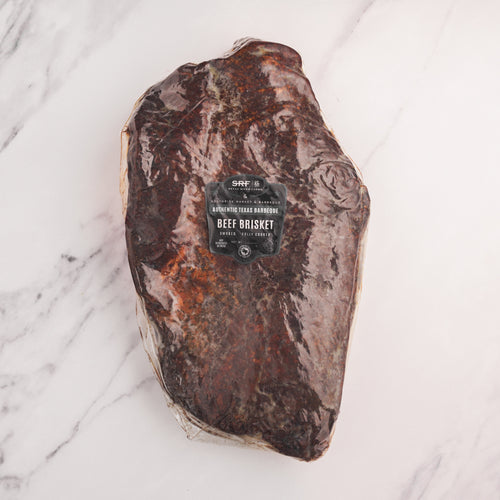
Want authentic Texas brisket without the smoke?
|
Featured Products