When to Wrap a Brisket: Temperature, Bark & Butcher Paper vs. Foil

Wrap your brisket when the internal temperature reaches 150 to 160°F and the bark has turned mahogany, with the fat starting to render and pull back from the meat. Both cues should align. Temperature alone isn't enough. Wrapping at the right moment traps heat and moisture and pushes the brisket through the stall, the plateau where the internal temperature stops climbing for hours. If you're smoking an SRF American Wagyu brisket, the higher intramuscular fat content gives you a little more margin if the two cues don't land at exactly the same moment. Bark and temperature together, not one without the other.

When to Wrap a Brisket: Temperature and Bark Cues
Two cues tell you it's time:
- Temperature: internal temp between 150°F to 160°F
- Visual: the bark is mahogany in color and the fat has begun to render and pull back from the meat
If the bark looks right and the temp is in range, wrap it. Don't wait for one without the other.
Why both cues matter: the stall, the plateau where your internal temperature stops climbing for hours, happens right in this range. Moisture evaporating from the surface of the meat cools it at the same rate the smoker is heating it. Wrapping when both cues align helps you push through without sacrificing the bark you've built. Do not crank the heat.
Wrapping temperature and bark guide:
| Internal Temp | Bark Color | Fat Rendering | Ready to Wrap? |
| Below 150°F | Light to tan | Not started | Too early |
| 150 to 160°F | Deep mahogany | Beginning to pull back | Yes, when both cues align |
| Above 165°F | Mahogany to dark | Well rendered | Acceptable, though bark may be at peak |
For SRF American Wagyu brisket, the higher intramuscular fat content means the meat retains moisture longer than conventional beef, giving you a bit more margin if the two cues don't land at exactly the same moment.
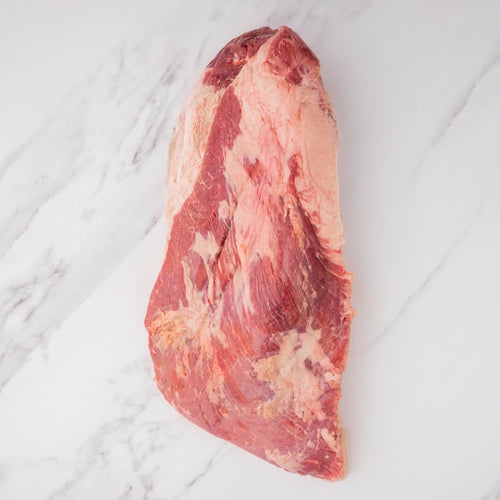
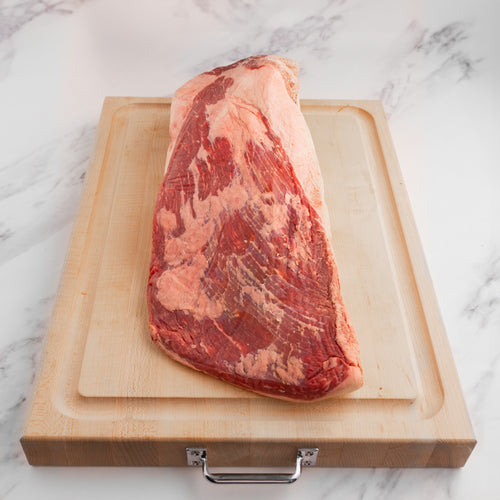
Shop American Wagyu Brisket | Shop Double R Ranch Brisket

What Happens If You Wrap Too Early?
Wrapping before the bark is set costs you the texture and smoke depth you've been building for hours.
When you wrap too early, the moisture trapped inside the paper or foil softens the bark instead of preserving it. The surface, which should have a firm, slightly crisp exterior, ends up damp and soft. Smoke flavor needs time to adhere and develop on the meat's surface. Cut that time short and it comes out flat. The overall result is closer to braised than smoked.
If you've hit 160°F but the bark still looks pale or feels tacky, give it more time. At this stage, the color tells you more than the thermometer.
For a full breakdown of temperature targets from start to finish, see our How to Smoke a Brisket guide.

Butcher Paper vs. Foil: Which Should You Use?
Our recommendation: unwaxed butcher paper.
Butcher paper allows just enough moisture exchange to keep the bark intact while still pushing through the stall. Foil works, but on a Wagyu brisket with this much intramuscular fat, you don't need the extra insurance. Let the beef do the work.
Here's how the two compare:
| Butcher Paper | Foil | |
| Bark | Preserved - paper breathes | Softer - foil steams |
| Moisture | Good retention | Maximum retention |
| Finish Time | Slightly longer | Faster |
| Best For | Texture and bark quality | Speed and max juiciness |
Foil isn't wrong. On a leaner brisket, or when you're cooking against a serving time, it gets the job done. But if you're starting with SRF American Wagyu, the intramuscular fat is already doing the moisture work from the inside throughout the entire cook. Butcher paper lets that show up in the final slice.
We use Oren Pink Butcher Paper, which is unwaxed and food-safe. Waxed paper is not suitable for smoking.
Advanced option: the foil boat. Instead of a full wrap, fold foil into a shallow tray around the bottom of the brisket and leave the top exposed. You get moisture protection underneath while the bark on top continues to develop. It's a useful technique when the bark needs more time but the bottom is at risk of drying out.
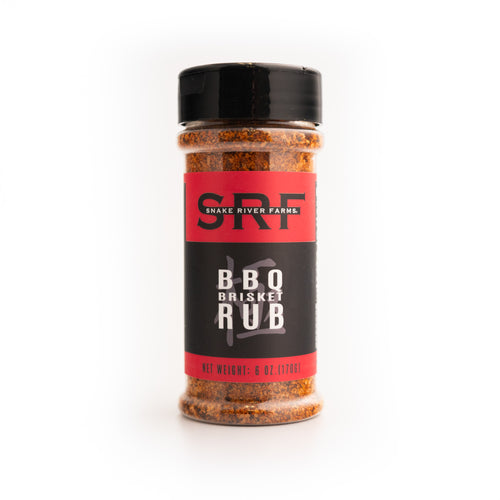
Shop BBQ Brisket Rub — designed for brisket, from bark to finish.
How to Wrap a Brisket
World Champion pitmaster Darren Warth demonstrates exactly how to wrap a brisket, step by step.
Once both cues are aligned and you're ready to wrap, here's how to do it:
- Pull two lengths of unwaxed butcher paper approximately 2.5 feet long. Overlap them and place the brisket in the center.
- Wrap all sides tightly to make a neat package. Eliminate air pockets to prevent the meat from steaming unevenly.
- Place the wrapped brisket back on the smoker seam-side down. The weight of the meat secures the wrap.
- Continue cooking to 198°F to 205°F internal. Monitor closely after wrapping as the finish accelerates.
- When pulling from the smoker, crack the wrap slightly to let heat and steam escape. Place in an aluminum pan to catch any drippings, cover loosely with plastic wrap, then wrap in towels or place in a closed cooler. Do not fully unwrap until ready to slice.
Shop American Wagyu Brisket | Shop Double R Ranch Brisket
Do You Flip a Brisket When You Wrap It?
No. Once the brisket is wrapped and back on the smoker, place it seam-side down and leave it there.
Flipping a wrapped brisket risks loosening the paper and letting steam escape. The weight of the meat is what keeps the wrap secure. Seam-side down holds everything in place through the final hours of the cook.

How Long Can You Hold a Brisket at 170°F?
The stall typically hits before 170°F, usually when the internal temperature reaches 150°F to 160°F. If your brisket has stopped climbing in that range, that's expected.
The stall can last anywhere from two to six hours. It's moisture evaporating from the surface of the meat, which cools it at the same rate the smoker is heating it. The solution is to wait it out or wrap the brisket to push through it.
For a full breakdown of brisket temperature targets from the first hour to the final rest, see our Brisket Internal Temperature Guide.
What Is the 3-2-1 Brisket Rule?
The 3-2-1 method is a timing framework most often used for ribs: three hours unwrapped on the smoker, two hours wrapped, one hour unwrapped with sauce. It's sometimes applied to brisket, but it isn't a reliable method for a full packer.
Brisket cooks on internal temperature and feel, not a clock. For everything you need on timing and temperature for a full brisket cook, see our How to Smoke a Brisket guide.

Ready to Smoke Your Best Brisket?
Ready to put this into practice? Our How to Smoke a Brisket guide covers the full cook from trim to rest, including temperature targets, wood selection, and what to look for at every stage. For a complete breakdown of internal temperatures, see our Brisket Internal Temperature Guide.
When you're ready to pick your brisket, American Wagyu Brisket is where we'd start. And if you're still dialing in your seasoning, our BBQ Brisket Rub is built for long smokes.
Featured Products