How to Cook a Porterhouse Steak
Cooking a Porterhouse steak at home can feel like a high-stakes endeavor. With both the tenderloin and strip in one impressive cut, it's essentially two steaks in one and each side deserves to be cooked to perfection. If you've ever felt unsure about how to strike that balance, you're not alone.
At Snake River Farms, we've spent years perfecting the techniques that bring out the best in this classic steakhouse favorite. Whether you're firing up the grill, reaching for a cast iron skillet, or experimenting with sous vide, the right method makes all the difference.
In this guide, we’ll walk you through exactly how to cook a Porterhouse steak using our go-to approaches. We’ll cover everything from stovetop searing to reverse searing and beyond; so you can get a perfect crust, a juicy center, and steakhouse-level results right in your own kitchen.
Start with the right cut. We recommend our American Wagyu Porterhouse or a Dry-Aged Porterhouse for exceptional flavor and tenderness. Delivered straight to your door.
What Makes the Porterhouse So Special
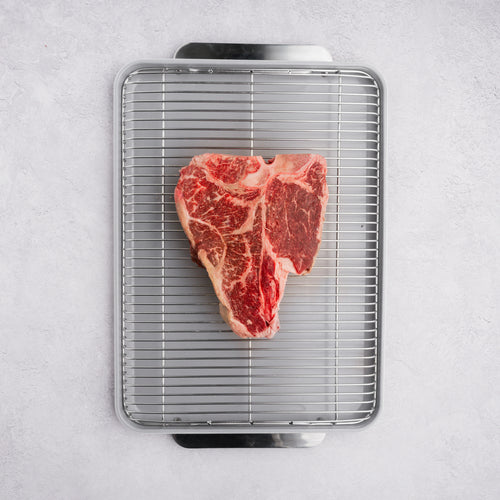
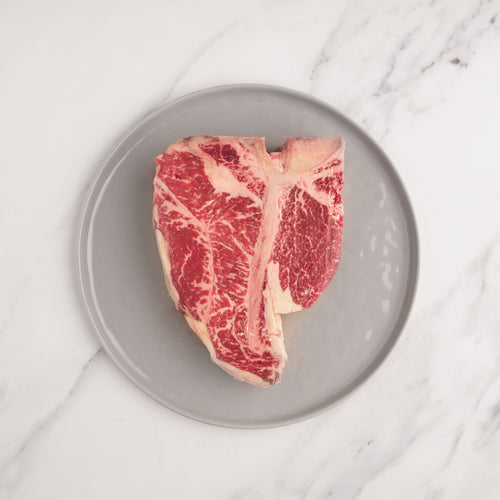
The Porterhouse is cut from the rear end of the short loin and includes a larger portion of the tenderloin than a T-bone. That means you’re getting the best of both worlds: a rich, flavorful strip and a melt-in-your-mouth filet; all in one dramatic, bone-in presentation.
This cut shines with simple seasoning and careful cooking, and it’s big enough to feed two people (unless you're me, and you're really hungry).
Pro Tip: If you're deciding between cuts, check out Porterhouse vs. Ribeye: Key Differences, Best Uses & Which Steak to Choose.
Watch: What Is a Porterhouse Steak
Still getting to know this impressive cut? Watch as Snake River Farms' own Dave gives a quick breakdown of what makes the Porterhouse so iconic. From its dual-muscle anatomy to the difference between a Porterhouse and a T-bone, this short video covers the essentials.
5 Ways to Cook Porterhouse Steak
Five foolproof methods to master the perfect Porterhouse steak at home; whether you're craving a steakhouse-style sear, a backyard grill-up, or the precise, edge-to-edge doneness of sous vide. Each approach is tailored to bring out the bold, beefy flavor and tender texture that make this cut a classic.
1. Steakhouse Method (Oven + Sear)
How to cook porterhouse steak in the oven::
- Season - Heat a heavy skillet over medium-high heat until hot. Add a light coat of vegetable oil to the skillet. Season the Porterhouse steaks with salt and pepper.
- Sear - The Porterhouse steak is large so a large skillet is required. If the whole steak won't fit in the skillet you can separate one side (either the strip or filet) and "reassemble" the steak on the serving platter. Place steaks in hot skillet and sear for 4 minutes, turning once. If steak sticks to the skillet, it’s not ready to turn. Wait until it releases on its own.
- Cook - Place skillet in a 350°F degree oven for 10 to 20 minutes depending on desired doneness. Turn once halfway through the cooking time. Remove from oven when preferred internal temperature is reached. See chart below for suggested temperatures.
-
Rest - Remove steaks from a skillet and cover loosely with aluminum foil. Let stand 5 to 10 minutes. The steaks will continue to cook and the temperature will rise about 5 degrees.
Pro Tip: Use a meat thermometer to nail your preferred doneness. Reference the temp chart below

2. Pan Searing on the Stovetop
How to cook a Porterhouse steak in a frying pan:
- Season - Heat a heavy skillet (cast iron is ideal) over medium heat until hot. Add a light coat of vegetable oil to the skillet. The Porterhouse steak is large. If the whole steak won't fit in the skillet, cut into smaller, even sized steaks. Season all sides of the steak with salt and pepper.
- Sear - Place Porterhouse steak in skillet and sear 4 to 5 minutes until nicely browned. If the steak sticks to the skillet, it’s not ready to turn. Wait until it releases on its own.
- Flip - Turn steak over and allow to cook for an additional 3 to 5 minutes. After 2 to 3 minutes, use a thermometer to test the thickest part of the steak. When the temperature reaches the desired level, remove from the skillet. See chart below for temperature guidelines.
-
Rest - Remove steak from a skillet and cover loosely with aluminum foil. Let stand 5 to 10 minutes. The steaks will continue to cook and the temperature will rise about 5 degrees.
Pro Tip: If your Porterhouse is too large for the skillet, try using a cast iron griddle or start it on the stovetop and transfer to the oven. Keeping the steak whole helps maintain even cooking and presentation

3. Reverse Sear
How to reverse sear a porterhouse steak:
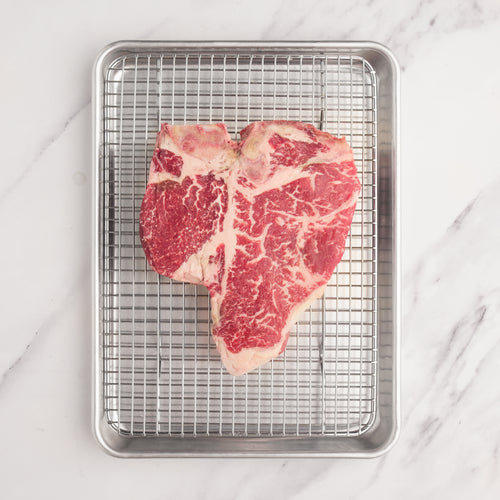
- Season - Heat oven to 275°F degrees. Season the Porterhouse steak with salt and pepper. Cover a baking sheet with foil and place a metal rack in the middle. The idea is to elevate the steak from the pan.
- Cook - Place the pan, grill and porterhouse steak in the oven. Bake until the steak reaches the temperature that matches your preference. See the chart for exact temperatures. For medium-rare, cook until 120°F degrees. This can take up to 60 minutes, but begin checking the internal temperature at 30 minutes. See chart below for temperature guidelines.
- Rest - Remove steak from oven, loosely cover with foil and allow to rest for 10 to 15 minutes.
- Sear - Add a light coating of vegetable oil to a heavy skillet and heat over high heat until hot. Sear the Porterhouse steak on each side for 60 to 90 seconds to form a beautiful crust. Serve.
Pro Tip: Reverse sear is ideal for thick-cut Wagyu Porterhouse. It ensures edge-to-edge doneness without overcooking the tenderloin side.

4. Grilling
How to cook Porterhouse steak on the grill:
- Season - Turn on grill to medium heat. Season grill with a light coat of vegetable oil. Season Porterhouse steak with salt and pepper or your favorite rub.
- Sear - Place steak on hot grill, close lid and allow to cook for 2 minutes. Lift steak off the grill, turn 45 degrees and place back on the grill. Allow to cook 2 more minutes.
- Flip - Turn steak over and cook for 2 minutes. Lift steak off the grill, turn 45 degrees and place back on the grill. Allow to cook for 2 more minutes. For medium-rare, the total cook time is 8 minutes. Check the temperature of the thickest part of the steak to determine when it is done to your preference. See chart below for temperature guidelines.
-
Rest - Remove steaks from the skillet and cover loosely with aluminum foil. Let stand 5 minutes. The steaks continue to cook the temperature will rise about 5 degrees. Finish with a pinch of flaked salt. Serve.
Pro Tip: For an unforgettable meal, try this Porterhouse Surf and Turf with Garlic-Lemon Caper Sauce.

4. Sous Vide
How to sous vide a Porterhouse steak:
Note: The center bone of this steak can make sealing it difficult. Use a thick bag and carefully position the steak to avoid sharp bone edges.
-
Heat Water - Place your immersion circulator in a container with water and set the temperature. Sous vide temperatures are different than other methods. Here are our recommendations:
Rare – 120°F.
Medium-rare – 130°F.
Medium – 135°F.
Medium-well –145°F.
- Season - Use a generous amount of salt and pepper on both sides of the ribeye steak.
- Package & Seal - Use a vacuum sealer to seal the steak in a bag. You can also use a self-sealing plastic bag by placing the bag in a container of water, being careful to keep the lid above the waterline. The water pressure will displace the air as the steak drops deeper into the water. Seal the bag when all or most of the air has been pushed out of the bag.
- Cook - Place the sealed bag into the water. We recommend cooking your steak a minimum of one hour and no longer than two hours.
- Heat Skillet - Add a light coat of vegetable oil to a heavy skillet. Place on a burner set to medium-high heat.
- Sear - Remove the steak from the sealed bag. Pat the steak dry and place in the hot pan. Cook about 1 to 2 minutes per side to create a brown, crisp crust. Steaks cooked sous vide do not require resting so you can serve immediately.
Pro Tip: Sous vide delivers unmatched consistency—great for dinner parties or meal prep.
Common Porterhouse Mistakes (And How to Avoid Them)
Even experienced home cooks can make missteps with a cut as commanding as the Porterhouse. Here are a few mistakes we’ve seen and how to make sure they don’t happen in your kitchen:
-
Mistake #1: Uneven Cooking Between the Strip and Tenderloin
The two sides of the Porterhouse cook at different rates. Use a two-zone grill or finish in the oven to avoid overcooking the tenderloin while waiting for the strip to catch up.
-
Mistake #2: Skipping the Rest
Resting isn’t optional. It’s how you lock in juices and let the temperature even out across the cut. Skip it, and you’ll lose flavor the moment you slice in.
-
Mistake #3: Under seasoning
A cut this thick needs a generous layer of salt and pepper to form that craveable crust. Don’t be shy—season boldly and early.
-
Mistake #4: Not Using a Thermometer
Guesswork ruins good steak. Invest in a reliable instant-read thermometer and take the guesswork out of your cook.
Pro Tip: For ultra-thick cuts, cook low and slow first, then finish hot for a perfect sear.
Steak Temperature Guide
Here are the magic numbers you’ll need to determine when your Porterhouse steak is cooked to the degree of doneness you most prefer. The internal temp is when the porterhouse steak should be removed from the heat. The steak will continue to cook, so the temperature will rise during the rest period.
Watch: Cooking Steak to the Perfect Temp and Doneness
Get a visual walkthrough in this quick video showing how we carve our Snake River Farms Porterhouse for optimal flavor and texture.
How to Slice and Serve a Porterhouse Steak
Once your steak is cooked to temperature and properly rested, the last step is carving and doing it the right way makes a big difference in tenderness and presentation.
- Use a sharp carving knife to slice along the T-bone, separating the tenderloin and strip sides.
- Slice each section across the grain for maximum tenderness.
- Serve family-style by reassembling the steak on a cutting board or platter and finishing with a sprinkle of flaked salt or a pat of compound butter.
Pro Tip: Let your steak rest at least 5–10 minutes before slicing to help redistribute juices and keep each bite perfectly moist.
Watch: How to Slice a Porterhouse Steak
Get a visual walkthrough in this quick video showing how we carve our Snake River Farms Porterhouse for optimal flavor and texture.
Final Thoughts: The Reward is Worth It
The Porterhouse is a cut that commands attention and with the right approach, you can absolutely master it at home. Whether you're pan-searing, reverse searing, or grilling over open flame, you now have the confidence to treat this king-sized cut right. And once you take that first bite? You’ll know it was worth every second.
Ready to make your next Porterhouse unforgettable?
Start with American Wagyu from Snake River Farms—expertly butchered, beautifully marbled, and delivered straight to your door. Shop Porterhouse Steaks